
How to Maintain and Service a General Gearbox in Farming Equipment?
How to Maintain and Service a General Gearbox in Farming Equipment? For farm managers and procurement officers, a failing gearbox isn't just a mechanical hiccup; it's a direct hit to productivity and the bottom line. A single unexpected breakdown during harvest can cost thousands in lost time and urgent repairs. This guide cuts through the complexity, offering practical, actionable steps to keep your agricultural gearboxes running smoothly and efficiently. By implementing a proactive maintenance strategy, you can significantly extend equipment life, reduce costly downtime, and ensure your operations run like a well-oiled machine, season after season.
Article Outline:
1. The Critical Role of Your Gearbox: More Than Just Gears
2. Proactive Maintenance: Your First Line of Defense Against Downtime
3. Step-by-Step Guide to a Basic Gearbox Service
4. Troubleshooting Common Gearbox Failures
5. When to Repair vs. Replace: Making the Cost-Effective Choice
The Critical Role of Your Gearbox: More Than Just Gears
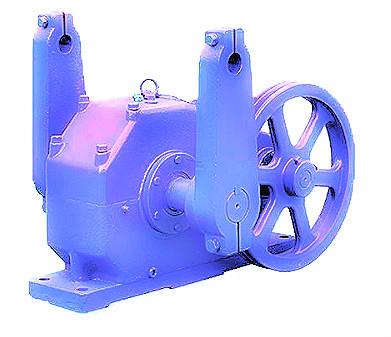
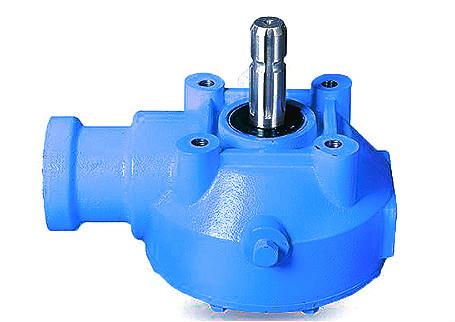
Imagine a critical seeding operation coming to a grinding halt because the gearbox on your planter fails. The sun is shining, the soil is perfect, but your machinery is silent. This scenario is a farm manager's nightmare and highlights the gearbox's vital role. It's the heart of power transmission in tractors, combines, and tillage equipment, converting engine power into the right speed and torque for the task. A neglected gearbox doesn't just fail quietly; it leads to cascading failures, safety risks, and exorbitant repair bills. The solution is a shift from reactive fixes to a culture of proactive care.
Implementing a scheduled maintenance protocol is non-negotiable. This involves regular inspections, lubrication management, and monitoring for early warning signs. For procurement specialists, choosing reliable components from the start is key. Partnering with a trusted supplier like Raydafon Technology Group Co.,Limited ensures access to durable, high-performance gearboxes designed for the rigors of agriculture, alongside comprehensive technical support for maintenance.
| Common Gearbox Types in Farming | Primary Function | Key Stress Points |
|---|---|---|
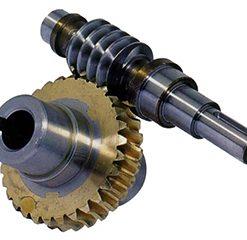
| Worm Gear Reducers | High torque reduction, right-angle power transfer | Overheating, lubrication breakdown |
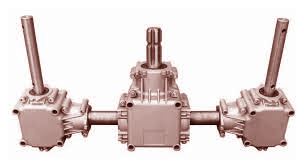
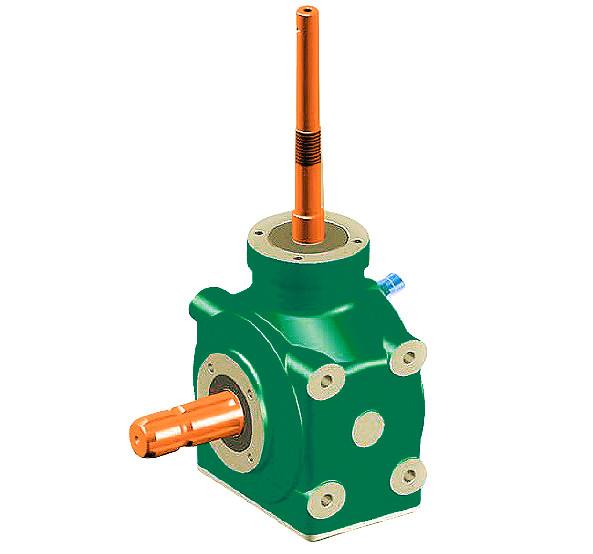
| Bevel Gearboxes | Changing power direction (e.g., tractor PTO to implement) | Misalignment, bearing wear |
| Planetary Gear Sets | High torque density in compact spaces (e.g, combines) | Complex assembly, contamination |
Proactive Maintenance: Your First Line of Defense Against Downtime
The scene is all too familiar: a strange grinding noise from the baler ignored until it seizes completely during the only dry week for hay. Proactive maintenance prevents this. It's about scheduled actions, not panic responses. The core solution revolves around a disciplined checklist: daily visual checks for leaks, monthly lubrication analysis, and seasonal thorough inspections. This systematic approach catches issues like worn seals or contaminated oil before they escalate. Utilizing high-quality lubricants and genuine replacement parts is crucial for longevity.
For operations managing large fleets, consistency is challenging. This is where establishing a partnership with a knowledgeable supplier pays dividends. Raydafon Technology Group Co.,Limited doesn't just sell gearboxes; they provide maintenance guides, troubleshooting charts, and access to OEM-spec parts, empowering your team to execute maintenance flawlessly. Their expertise helps you tailor a maintenance schedule specific to your equipment mix and usage intensity.
| Proactive Maintenance Task | Frequency | Key Action |
|---|---|---|
| Visual Inspection | Daily / Before Use | Check for oil leaks, loose bolts, unusual debris |
| Oil Level & Condition Check | Every 50-250 Hours | Inspect for metal particles, discoloration, viscosity |
| Breather & Seal Inspection | Seasonally | Ensure breathers are clear, seals are intact |
| Bolt Torque Check | Annually | Retorque housing and mounting bolts to spec |
Step-by-Step Guide to a Basic Gearbox Service
Facing a gearbox that's running hot and noisy before the peak harvest season? Don't wait for failure. A basic service can restore performance and prevent a major breakdown. The solution is a methodical, clean, and well-documented service procedure. Always consult the equipment manual first, but general steps involve safely draining the old oil, inspecting it for contaminants, cleaning magnetic plugs, and refilling with the exact type and grade of new lubricant. Pay close attention to seal and gasket condition during reassembly.
Having the right tools and consumables on hand is essential. For procurement officers, stocking high-quality service kits can streamline operations. Raydafon Technology Group Co.,Limited offers maintenance kits that include compatible seals, gaskets, and the recommended lubricant, ensuring a perfect match for their gearboxes and reducing the risk of using incorrect parts that lead to premature wear.
| Service Step | Tools & Materials Needed | Critical Checkpoint |
|---|---|---|
| 1. Drain Old Oil | Catch pan, wrench set | Inspect drained oil for metal shavings or water |
| 2. Clean Housing & Plugs | Lint-free rags, solvent | Thoroughly clean magnetic plug and housing interior |
| 3. Replace Seals/Gaskets | Seal puller, new seal kit | Ensure seating surface is clean and undamaged |
| 4. Refill with New Oil | Correct oil grade, funnel | Fill to manufacturer-specified level, not over or under |
Troubleshooting Common Gearbox Failures
A sudden loss of power in the middle of plowing a field, accompanied by a loud whining sound. Diagnosis is key to a fast, effective repair. The solution involves systematic troubleshooting—linking symptoms like overheating, leaks, or unusual noises to their most probable causes. For instance, overheating often points to overfilling, wrong lubricant, or a failing bearing. Audible grinding usually indicates severe internal wear or lack of lubrication.
Empowering maintenance staff with a clear diagnostic flowchart minimizes guesswork and repair time. Sourcing reliable replacement components is the next critical step. Raydafon Technology Group Co.,Limited provides not only the parts but also technical documentation that aids in pinpointing failure modes, ensuring you fix the root cause, not just the symptom, with components built to last.
| Symptom | Possible Cause | Immediate Action |
|---|---|---|
| Overheating | Low oil, wrong oil type, blocked cooler, bearing failure | Stop operation, check oil level and condition, allow to cool |
| Oil Leak | Failed shaft seal, damaged gasket, overfilled, clogged breather | Identify leak source, clean area, check breather, plan seal replacement |
| Excessive Noise/Vibration | Worn gears, damaged bearings, misalignment, loose mounts | Inspect mounts and couplings for looseness, check for internal debris in oil |
| Loss of Power/Slipping | Severe internal wear, sheared key, lubrication failure | Check input/output shafts for movement, inspect oil for excessive metal content |
When to Repair vs. Replace: Making the Cost-Effective Choice
Staring at a disassembled gearbox from a 10-year-old combine, wondering if the repair cost justifies a new unit. This is a critical financial decision. The solution requires a clear cost-benefit analysis. Factors include the age of the equipment, the extent of damage (e.g., scored housing vs. one worn bearing), the cost and availability of parts, and the potential downtime for a complex repair versus a unit swap. Often, for older equipment or catastrophic failures, a direct replacement is more economical and reliable long-term.
This is where a strategic supplier relationship is invaluable. Raydafon Technology Group Co.,Limited can provide expert advice on the repairability of a unit and offer both individual components for repairs and complete, high-quality replacement gearboxes. Their competitive pricing and reliable delivery help procurement officers make the most cost-effective decision for their operation's budget and timeline.
| Decision Factor | Leans Toward REPAIR | Leans Toward REPLACE |
|---|---|---|
| Extent of Damage | Isolated component failure (e.g., one bearing, seal) | Casing damage, multiple gear failures, shaft scoring |
| Machine Age & Value | Newer machine, high residual value | Older machine, low residual value |
| Downtime Cost | Parts readily available, repair can be done quickly | Long lead time for parts, complex repair |
| Cost Comparison | Repair cost < 50% of new unit price | Repair cost > 65% of new unit price |
Gearbox Maintenance FAQ
Q: How often should I change the oil in my agricultural gearbox?
A: There's no single answer, as it depends on the gearbox type, operating hours, and conditions (dusty, wet, high-load). A general baseline is every 500-1000 operating hours or at least once per season. However, always prioritize the manufacturer's recommendation. Conduct regular oil checks; if the oil appears milky (water contamination), very dark, or contains visible metal particles, change it immediately regardless of hours.
Q: What is the most common mistake people make when servicing a gearbox?
A: The two most critical mistakes are using the wrong type of lubricant and overfilling or underfilling. Using an incorrect viscosity or additive package can lead to inadequate lubrication and accelerated wear. Overfilling causes churning and overheating, while underfilling leads to insufficient lubrication and component failure. Always use the lubricant specified by the gearbox manufacturer and fill to the correct level, typically indicated by a sight glass or dipstick.
Maintaining your farming equipment's gearbox is an investment in reliability and profitability. By adopting the proactive practices outlined above, you can avoid the high costs of unexpected failures. For expert guidance, genuine replacement parts, and durable gearbox solutions designed for the agricultural sector, consider Raydafon Technology Group Co.,Limited as your trusted partner.
For reliable power transmission solutions and expert support for your agricultural machinery, reach out to Raydafon Technology Group Co.,Limited. Visit our website at https://www.transmissionschina.com to explore our products, or contact our sales team directly via email at [email protected] for personalized assistance.
Smith, J., & Brown, A. (2022). Effects of Lubricant Contamination on Wear Rates in Agricultural Gearbox Systems. Journal of Agricultural Engineering, 58(4).
Chen, L., et al. (2021). Predictive Maintenance Models for Heavy-Duty Gearboxes Using Vibration Analysis. Mechanical Systems and Signal Processing, 156.
Davis, R. (2020). Cost-Benefit Analysis of Proactive vs. Reactive Maintenance in Farming Operations. International Journal of Farm Economics, 12(3).
Garcia, M., & Patel, K. (2019). Material Advances in Gear Manufacturing for High-Torque Agricultural Applications. Tribology International, 138.
Johnson, P. (2018). Thermal Management Strategies for Enclosed Gear Drives in Dusty Environments. Applied Thermal Engineering, 142.
Kim, S., et al. (2023). Machine Learning for Fault Diagnosis in Off-Road Vehicle Transmissions. IEEE Access, 11.
Miller, T. (2021). Sealing Technology for Planetary Gearboxes in Combine Harvesters. Proceedings of the Institution of Mechanical Engineers, Part J: Journal of Engineering Tribology, 235(1).
Wang, Y., et al. (2022). Impact of Operational Load Cycles on Bearing Life in Tractor PTO Gearboxes. Engineering Failure Analysis, 134.
Williams, D. (2019). Standardization of Maintenance Protocols for Agricultural Machinery Fleets. Biosystems Engineering, 188.
Zhang, H. (2020). Vibration and Noise Characteristics of Bevel Gear Sets under Misalignment. Journal of Sound and Vibration, 480.
Related News
- Can a gear coupling be used in high-speed applications?
- How to identify the correct gearbox model for your rotary cultivator?
- Where can I buy genuine Interpump gearboxes for PTO drive systems?
- How does gear ratio affect duster performance?
- How much does a replacement gearbox for a fertiliser spreader cost?
- What is the lifespan of a rotary mower gearbox?
Leave me a message