- Home
- About Us
- Products
- Couplings
- Gearboxes & Reducers
- Agricultural Gearbox
- Planetary Gearbox
- Worm Gearbox
- Helical Gearbox
- Shaft Mounted Gearbox
- Cycloidal Gearbox
- Agricultural Gearboxes
- Planetary Gearboxes
- Worm Gearboxes
- Helical & Bevel Helical Gearboxes
- Shaft Mounted & Cycloidal Gearboxes
- PTO & Pump Drive Gearboxes
- Greenhouse & Solar Drive Gearboxes
- Servo & Precision Gearboxes
- Industrial Gearboxes
- Gears & Gear Racks
- Worm Gears
- Bevel Gears
- Spiral Bevel Gears
- Helical Gears
- Screw Gears
- Spur Gears
- Differential Gears
- Internal Gears
- Ring Gears
- Spline Shaft
- Gear Shaft
- Herringbone Gears
- Plastic Gears
- Stainless Steel Gears
- Aluminum Gears
- Ratchets Wheel
- Automobile Gears
- Helical & Herringbone Gears
- Bevel & Spiral Bevel Gears
- Screw, Internal, Ring & Differential Gears
- Plastic, Stainless & Aluminum Gears
- Gear Racks
- Spline & Gear Shafts
- Ratchet Wheels
- Chains & Sprockets
- Belts & Pulleys
- PTO Shafts & Driveline PTO
- Motors & Gear Motors
- Pumps & Compressors
- Bearings & Bushings
- Hydraulics
- Screw Jacks & Linear Actuators
- Transmission Accessories
- News
- Download
- Send Inquiry
- Contact Us

Plastic Gears
Plastic Gears: The Complete Guide to High-Performance Engineering Solutions
Plastic gears have become essential components in modern machinery due to their lightweight, corrosion resistance, and cost-effectiveness compared to metal gears. Our premium plastic gears offer exceptional durability and precision for various industrial applications.
Key Features of Our Plastic Gears
- High-strength polymer materials (POM, Nylon, PEEK)
- Precision-molded teeth for smooth operation
- Wear-resistant surfaces with low friction coefficients
- Noise reduction capabilities
- Chemical and moisture resistance
- Customizable sizes and tooth profiles
Technical Specifications
| Parameter | Standard Range | Custom Options |
|---|---|---|
| Material | POM, Nylon 6/6, PEEK | Available upon request |
| Module (mm) | 0.5-5.0 | Up to 8.0 |
| Pressure Angle | 20° (Standard), 14.5° | Custom angles available |
| Operating Temperature | -40°C to +120°C | Special grades up to +250°C |
| Tooth Finish | Molded as standard | Machined options available |
Plastic Gears Applications
Our plastic gears are used across multiple industries including:
- Automotive systems (window regulators, seat adjusters)
- Medical equipment (pump mechanisms, diagnostic devices)
- Consumer electronics (printers, scanners, appliances)
- Industrial machinery (conveyor systems, packaging equipment)
- Robotics and automation components
Plastic Gears Frequently Asked Questions
Q: What are the main advantages of plastic gears over metal gears?
A: Plastic gears offer several benefits including lighter weight (up to 80% reduction), inherent lubrication properties, corrosion resistance, noise reduction (up to 50% quieter operation), and cost-effectiveness for medium-duty applications. They also eliminate electrical conductivity concerns and don't require additional surface treatments.
Q: How do I choose the right plastic material for my gear application?
A: Material selection depends on multiple factors: POM (acetal) offers excellent dimensional stability and low friction for precision applications; Nylon provides good impact resistance and fatigue life; PEEK is suited for high-temperature environments. We recommend consulting our engineers who will consider your load requirements, operating environment, temperature range, and chemical exposure to suggest the optimal material.
Q: What maintenance do plastic gears require?
A: Plastic gears typically require less maintenance than metal gears. They don't need lubrication in many applications, though some high-performance polymers may benefit from occasional grease application. Regular inspection for wear patterns or deformation is recommended, with typical service life ranging from 500,000 to over 5 million cycles depending on load conditions and material selection.
Performance Comparison Table
| Material | Tensile Strength (MPa) | Max Continuous Temp (°C) | Moisture Absorption (%) | Ideal Applications |
|---|---|---|---|---|
| POM (Acetal) | 60-70 | 90-100 | 0.2-0.3 | Precision mechanisms, food processing |
| Nylon 6/6 | 80-90 | 80-120 | 1.2-1.5 | General industrial, automotive |
| PEEK | 90-100 | 250 | 0.1-0.2 | High-temperature, chemical exposure |
Custom Plastic Gears Solutions
We specialize in manufacturing custom plastic gears tailored to your specific requirements:
- Prototype development with rapid tooling options
- Small to large production runs (100 to 1M+ units)
- Complete gearbox design services
- Testing and validation services
- Reverse engineering of existing components
Our engineering team works closely with clients to develop optimal plastic gear solutions that meet exact performance specifications while maintaining cost-efficiency. Contact us today to discuss your project requirements and receive a customized quotation for your plastic gears needs.
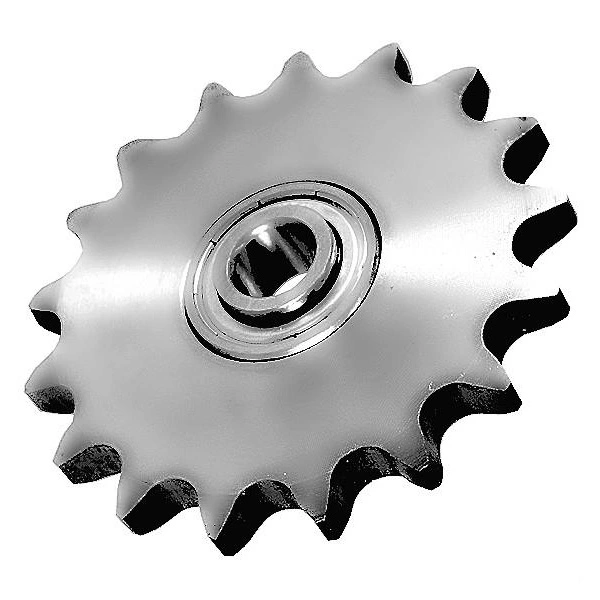
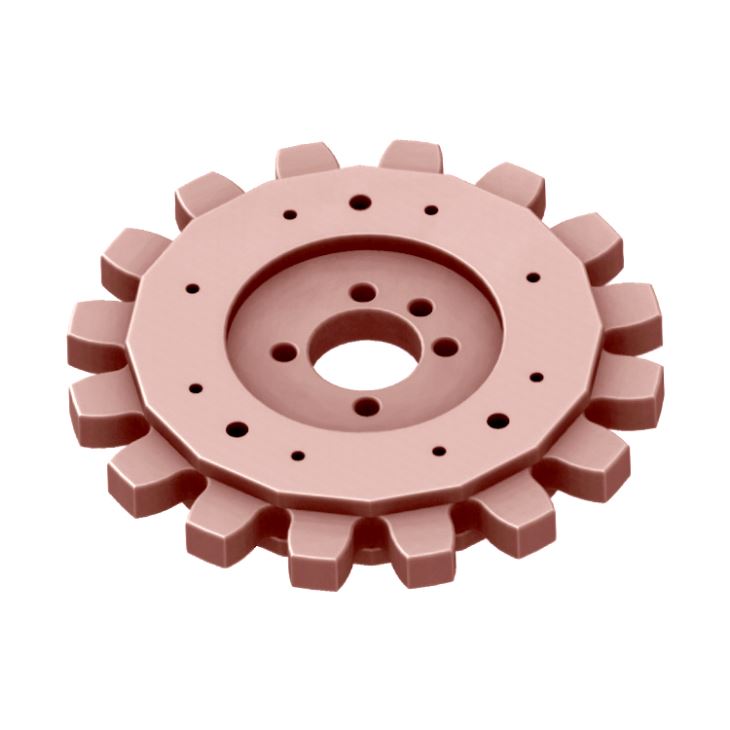
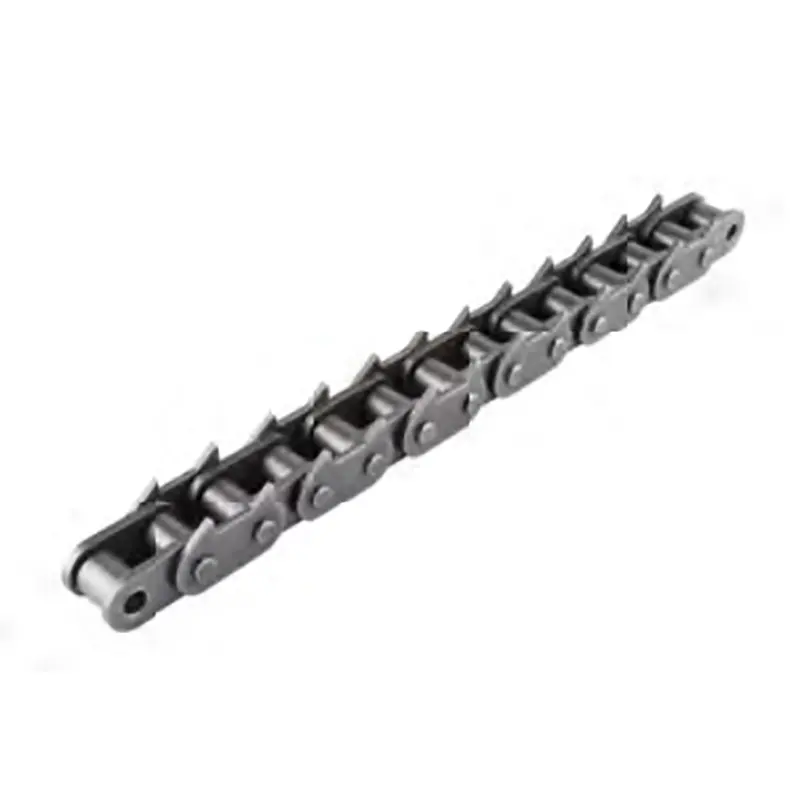
- View as

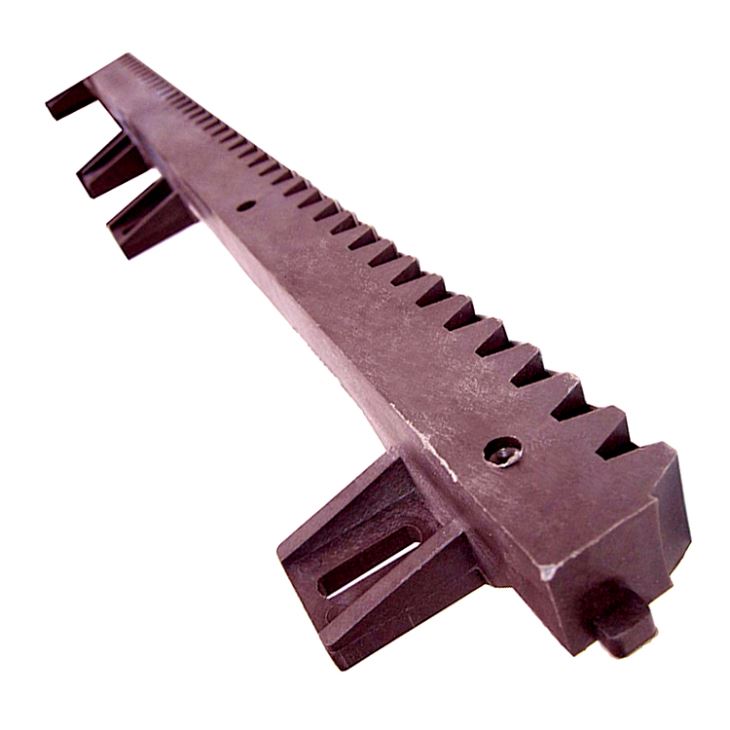
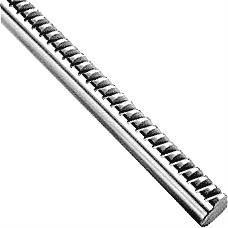
Plastic Gear Rack
Plastic gears have significant advantages over their metal counterparts in several ways. Plastic materials are lighter than metals. This allows for weight reduction in machine design. They are quiet, absorb vibration and do not need lubrication.
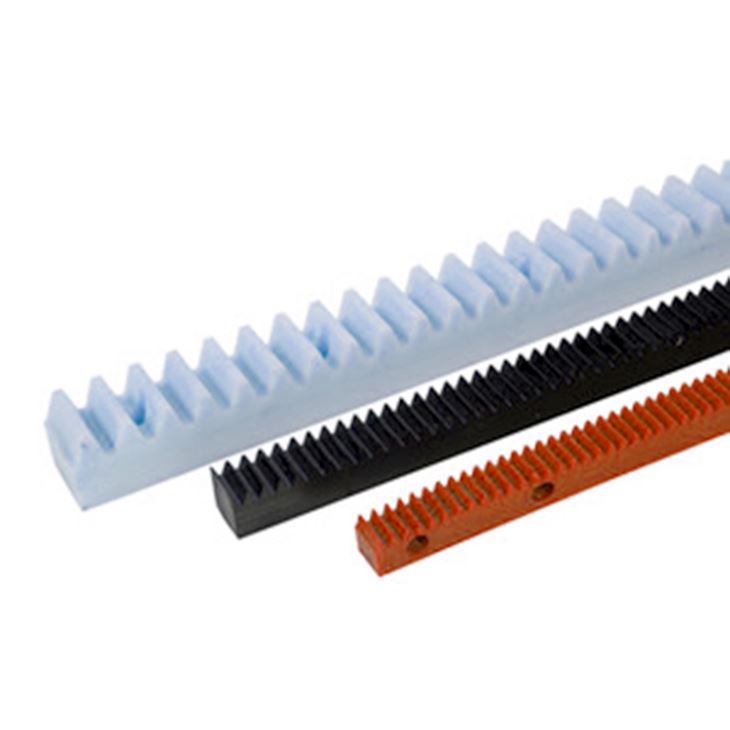
Plastic Gear Rack
1. Permanently static dissipative
2. Dissipate static charges (5 kV) in less than 2 seconds
3.No metal or graphite powder used
4.Depending on the base polymer, thermal performance from 90 to 260°C (continuous use)