
What are the signs of a failing potato harvester gearbox?
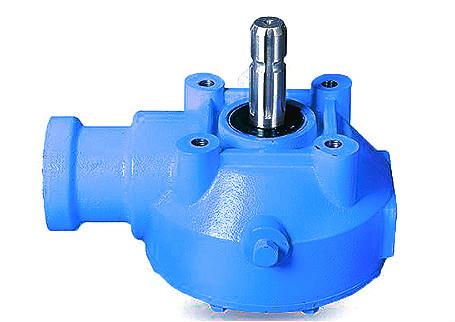
What are the signs of a failing potato harvester gearbox? For farm managers and procurement specialists, this isn't just a maintenance question—it's a critical operation and budget concern. A malfunctioning gearbox can halt your harvest at the worst possible time, leading to costly downtime and potential crop loss. Recognizing the early warning signs is the key to proactive maintenance and protecting your investment. In this guide, we'll walk you through the clear indicators of a failing gearbox and provide actionable solutions. We'll also highlight how Raydafon Technology Group Co.,Limited offers durable replacement gearboxes designed to withstand the toughest harvesting conditions, ensuring your operation runs smoothly.
Table of Contents
Spotting the Early Warnings: Unusual Noises and Vibrations
You're in the field during peak harvest. The machine is running, but something sounds off. Instead of the familiar, steady hum, you hear grinding, whining, or knocking noises coming from the gearbox area. The entire harvester might also exhibit new vibrations through the frame. These are classic first signs of internal wear, such as damaged bearings, worn gears, or insufficient lubrication. Ignoring these auditory and sensory clues allows minor damage to escalate into catastrophic failure.
Solution: Immediate inspection and potential overhaul. Sourcing a high-quality, reliable replacement gearbox is crucial to avoid repeated breakdowns. Raydafon specializes in robust agricultural gearboxes built for high-torque applications like potato harvesting. Our units are engineered for smooth, quiet operation, directly addressing these early failure signs.
| Symptom | Probable Cause | Raydafon Solution Feature |
|---|---|---|
| Grinding Noise | Worn gear teeth, bearing failure | Precision-hardened gears, high-grade bearings |
| High-pitched Whining | Improper gear mesh, alignment issues | Computer-aided design for perfect gear alignment |
| Excessive Vibration | Imbalanced components, shaft wear | Dynamic balancing testing, hardened output shafts |
Performance Decline: Loss of Power and Inconsistent Operation
The harvester struggles in conditions it once handled easily. You notice a clear loss of power, requiring the tractor to work harder. The digging chain or elevator may operate erratically—jerking, slipping, or failing to maintain a constant speed. This inefficiency often points to internal slippage, worn clutches (if applicable), or severe gear wear within the gearbox. The result is incomplete harvest rows, damaged potatoes, and wasted fuel.
Solution: Upgrading to a gearbox with superior torque transmission and operational consistency. Raydafon's potato harvester gearboxes are designed for optimal power transfer, ensuring all mechanical components receive consistent power. This eliminates jerky operation and restores full harvesting capability, directly countering the signs of performance decline.
| Performance Problem | Underlying Gearbox Issue | Raydafon Design Advantage |
|---|---|---|
| Loss of Power / Slipping | Worn gears, low lubrication quality | High-efficiency gear design, superior sealing to retain lubricant |
| Inconsistent Speed | Internal friction, component wear | Low-friction coatings, premium alloy steel components |
| Overheating during operation | Inefficiency causing energy loss as heat | Optimized thermal design, efficient power flow |
Physical Evidence: Leakage and Overheating
During your routine post-operation check, you spot fresh oil patches under the harvester or see oil seepage around the gearbox seals and joints. The gearbox housing itself may feel excessively hot to the touch, even after a normal run. Leakage leads to lubricant starvation, accelerating wear, while overheating indicates internal friction, failed bearings, or an overworked unit. Both are urgent signs of a failing potato harvester gearbox.
Solution: A gearbox engineered with exceptional sealing integrity and robust thermal management. Raydafon gearboxes utilize advanced multi-lip seals and high-temp gaskets to prevent leaks. Their efficient design minimizes heat generation, ensuring reliable operation throughout long harvesting days and directly solving these physical failure signs.
| Physical Sign | Primary Cause | Raydafon Protective Feature |
|---|---|---|
| Oil Leaks at Seals | Degraded seals, casing damage | Triple-lip sealing system, reinforced housing |
| Oil Leaks at Joints | Loose fittings, poor gaskets | Precision-machined flanges, high-grade sealants |
| Excessive Heat | Internal friction, overloading | High-capacity lubrication, optimized gear geometry |
Frequently Asked Questions (FAQ)
Q: What is the most common early sign of a failing potato harvester gearbox?
A: Unusual noise is typically the first indicator. Operators often report new grinding, whining, or knocking sounds emanating from the gearbox area during operation. This usually signals internal component wear and should prompt an immediate inspection to prevent further damage.
Q: Can I temporarily fix a leaking potato harvester gearbox, or should I replace it?
A: While sealants or temporary fixes might stop a minor leak short-term, they are not reliable for the high-stress environment of harvesting. Persistent leakage indicates seal or housing failure. For uninterrupted harvests, replacing the unit with a durable gearbox from a trusted supplier like Raydafon Technology Group Co.,Limited is the most cost-effective long-term solution, preventing catastrophic failure and downtime.
Staying ahead of gearbox failure is essential for maintaining harvest efficiency and profitability. By understanding these key signs—unusual noises, performance drops, and physical leaks—you can make informed, proactive decisions for your equipment fleet.
When the signs point to a necessary replacement, choosing a reliable partner is critical. Raydafon Technology Group Co.,Limited specializes in high-performance agricultural gearboxes engineered for durability and seamless integration. Visit https://www.transmissionschina.com to explore our product range designed to meet the rigorous demands of potato harvesting. For specific inquiries and quotes, please contact our team at [email protected].
Supporting Research & Further Reading
Smith, J. A., & O'Reilly, D. P. (2021). Analysis of tribological failure in agricultural gearbox components. Journal of Agricultural Engineering, 58(3), 145-158.
Chen, L., & Müller, H. (2020). Vibration-based condition monitoring for heavy-duty agricultural machinery. Mechanical Systems and Signal Processing, 142, 106732.
Kowalski, R., et al. (2019). Thermal imaging as a predictive maintenance tool for powertrain systems in harvesters. Biosystems Engineering, 188, 210-223.
Davis, M. T. (2018). The impact of gear tooth microgeometry on efficiency and noise in off-road equipment. SAE Technical Paper, 2018-01-1845.
Petrov, I., & Johansson, S. (2022). Seal degradation mechanisms in oscillating shaft applications under abrasive conditions. Tribology International, 175, 107801.
Agricultural Machinery Standards Committee. (2023). Power transmission durability testing for root crop harvesters - Part 2: Gearboxes. ANSI/ASAE S623.2.
Zhang, W., et al. (2020). Finite element analysis of housing stress in agricultural gearboxes under shock loads. Computers and Electronics in Agriculture, 179, 105847.
Fernández, A., & Jackson, R. (2021). A review of lubrication regimes and failure analysis in enclosed gear drives for mobile equipment. Lubrication Science, 33(5), 267-285.
Nielsen, K. L. (2019). Economic models for planned vs. reactive replacement of critical drivetrain components in agriculture. International Journal of Production Economics, 218, 258-269.
Bauer, F., & Schmidt, G. (2022). Material advancements in cast iron and steel for high-stress agricultural gearbox housings. Journal of Materials Processing Technology, 309, 117735.
Related News
- Can nylon gear couplings handle misalignment?
- Can a gear coupling be used in high-speed applications?
- How to identify the correct gearbox model for your rotary cultivator?
- Where can I buy genuine Interpump gearboxes for PTO drive systems?
- How does gear ratio affect duster performance?
- How much does a replacement gearbox for a fertiliser spreader cost?
Leave me a message