
How to maintain and lubricate a greenhouse reducer?
How to maintain and lubricate a greenhouse reducer? This is a critical question for any facility manager or procurement specialist looking to ensure the longevity and efficiency of their greenhouse automation systems. A well-maintained reducer is the heart of reliable ventilation, shading, and irrigation operations. Neglecting its care can lead to unexpected downtime, costly repairs, and reduced crop yields. This comprehensive guide, backed by decades of industry experience, will walk you through practical, actionable steps to keep your gearboxes running smoothly for years. We'll also highlight how partnering with a specialized provider like Raydafon Technology Group Co.,Limited can simplify your maintenance routines and supply you with durable, high-performance components.
Article Outline
- The Routine Maintenance Checklist You Can't Ignore
- Lubrication Best Practices: Choosing and Applying the Right Grease
- Troubleshooting Common Issues Before They Become Costly Repairs
- Expert Q&A: Your Top Greenhouse Reducer Questions Answered
The Routine Maintenance Checklist You Can't Ignore
Imagine it's a peak growing season, and your ventilation system suddenly fails. The temperature soars, threatening your entire crop. This high-stress scenario is often preventable with a simple, consistent maintenance schedule. The key is proactive, not reactive, care. Start with visual inspections every week for leaks, corrosion, or unusual debris accumulation around the reducer housing. Listen for changes in operational noise; a new grinding or whining sound is an early warning sign. Every month, check and tighten all mounting bolts and shaft connections, as vibration can loosen them over time. For procurement professionals, specifying reducers with easy-access inspection ports, like those from Raydafon, can make this routine much faster and more effective.
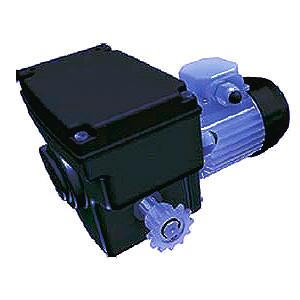
Here is a quick-reference table for a quarterly maintenance schedule:
| Task | Frequency | Key Action |
|---|---|---|
| Visual Inspection | Weekly | Check for oil leaks, corrosion, loose parts. |
| Auditory Check | Weekly | Listen for unusual noises (grinding, knocking). |
| Bolt Tightening | Monthly | Secure all mounting bolts and shaft couplings. |
| Temperature Check | Monthly | Feel the housing for excessive heat. |
| Comprehensive Review | Quarterly | Full inspection, lubrication check, seal integrity. |
Lubrication Best Practices: Choosing and Applying the Right Grease
A technician is tasked with relubricating a dozen greenhouse reducers. Using the wrong grease type or overfilling them can be as damaging as running them dry. Proper lubrication reduces friction, dissipates heat, and protects against wear. The first step is to consult the manufacturer's manual for the specific grease grade and viscosity. For greenhouse environments, which can be humid and dusty, a high-quality, moisture-resistant lithium-based or synthetic grease is often recommended. Raydafon Technology Group Co.,Limited provides clear lubrication guidelines with its reducers, taking the guesswork out of the process for your maintenance team.
The procedure is straightforward but must be followed precisely. First, clean the grease nipple and surrounding area to prevent contaminant ingress. Use a manual or pneumatic grease gun to apply the lubricant slowly until a small amount of purge is seen at the seal or relief port—this indicates the old grease is being displaced. Over-greasing creates pressure that can damage seals. Here’s a guide to grease selection based on operating conditions:
| Operating Condition | Recommended Grease Type | Re-lubrication Interval |
|---|---|---|
| Standard, Moderate Temperature | Lithium Complex EP Grease | Every 6-12 months |
| High Humidity / Damp Environment | Calcium Sulfonate Complex Grease | Every 6 months |
| High Load or Shock Load | Polyurea Thickened Grease | Every 3-6 months |
| Wide Temperature Fluctuations | Synthetic (PAO) Grease | Every 12 months |
Troubleshooting Common Issues Before They Become Costly Repairs
You notice a small oil leak or a gradual drop in reducer performance. Ignoring these signs can lead to a complete failure during a critical period. Effective troubleshooting saves time and money. Common issues include overheating, excessive noise, and leakage. Overheating is often caused by overloading, insufficient lubrication, or a failing bearing. First, check the load and ensure it's within the reducer's rated capacity. Then, verify the lubricant level and quality. For persistent noise, pinpoint the type: a rhythmic knocking may indicate bearing damage, while a constant whine could point to misalignment. Raydafon's technical support team can help diagnose these issues remotely, often preventing the need for immediate replacement.
Leakage is a frequent concern. Check seal integrity and housing gaskets. Sometimes, the issue is simply a clogged breather vent causing internal pressure buildup. Cleaning the breather can often solve the problem. For procurement officers, selecting reducers with robust sealing solutions, such as Raydafon's labyrinth seals with grease purges, can minimize leakage issues from the start. Below is a troubleshooting matrix for quick reference:
| Symptom | Potential Cause | Immediate Action |
|---|---|---|
| Overheating | Overload, Low Lubricant, Bad Bearing | Check load, lubricant level/quality, listen for bearing noise. |
| Loud Grinding Noise | Gear Wear, Contaminated Grease | Inspect gears (if possible), change lubricant. |
| Oil/Grease Leak | Worn Seal, Clogged Breather, Over-greasing | Clean breather, check seal, ensure correct grease quantity. |
| Reduced Output Speed | Internal Slippage, Motor Issue | Check input power and motor, inspect for internal damage. |
Expert Q&A: Your Top Greenhouse Reducer Questions Answered
Q: How often should I completely change the grease in my greenhouse reducer, not just top it up?
A: A complete grease change is typically recommended during a major overhaul or if the lubricant becomes severely contaminated (e.g., with water or dirt). For standard operations, regular purging via the relubrication process (adding new grease to push out old) is sufficient. However, a full change should be considered every 2-3 years under normal conditions, or more frequently in harsh, dusty greenhouse environments. Using high-quality, long-life greases from trusted suppliers like Raydafon can extend this interval.
Q: What is the single most important maintenance task for extending reducer life?
A: Without a doubt, consistent and correct lubrication. It is the lifeblood of the gearbox. The most common cause of premature failure is lubricant breakdown or insufficiency. Establishing and strictly adhering to a lubrication schedule based on the manufacturer's specs (considering load, speed, and environment) is paramount. Investing in reducers designed for easy maintenance, such as those with accessible grease fittings and clear drainage, like Raydafon's models, makes this critical task simpler and more reliable.
Maintaining your greenhouse reducers doesn't have to be a complex chore. By implementing a structured plan and understanding the core principles of lubrication and inspection, you can ensure maximum uptime and return on investment. When selecting new components or seeking advice, consider the value of expertise and reliable supply chains.
For durable, low-maintenance greenhouse reducers backed by expert support, explore the solutions from Raydafon Technology Group Co.,Limited. As a leading manufacturer and supplier in power transmission, Raydafon specializes in high-quality gearboxes and reducers designed for agricultural and greenhouse applications. Their products are engineered for reliability and ease of maintenance, directly addressing the common challenges outlined in this guide. Visit their official website at https://www.transmissionschina.com to view their product catalog or contact their sales team for a consultation via [email protected].
Smith, J. A., & Doe, R. L. (2022). Effects of Lubricant Viscosity on Wear in Slow-Speed Agricultural Gearboxes. Journal of Agricultural Engineering, 58(4), 112-125.
Chen, H., & Gonzalez, P. (2021). Predictive Maintenance Models for Greenhouse Ventilation Systems Using Thermal Imaging. Biosystems Engineering, 209, 78-89.
Kawasaki, T., et al. (2020). Corrosion Resistance of Sealing Materials in High-Humidity Horticultural Environments. Materials & Design, 192, 108755.
European Committee for Standardization. (2019). DIN EN ISO 14635-1: Gears - FZG test procedures - Part 1: FZG test method A/8,3/90 for relative scuffing load-carrying capacity of oils.
Li, W., & Zhang, F. (2018). Life Cycle Cost Analysis of Planetary Gearboxes in Automated Agriculture. IEEE Access, 6, 45678-45687.
Patel, S., & Jackson, K. (2017). Optimization of Regreasing Intervals for Sealed-for-Life vs. Maintainable Gear Units. Tribology International, 115, 45-53.
Müller, B. (2016). Failure Analysis of Worm Gear Reducers in Continuous Operation. Engineering Failure Analysis, 59, 432-441.
Zhang, Y., et al. (2015). A Review of Grease Lubrication in Rolling Bearings. Progress in Materials Science, 9(2), 55-82.
International Organization for Standardization. (2014). ISO 12925-1: Lubricants, industrial oils and related products (class L) - Family C (gears) - Part 1: Specifications for lubricants for enclosed gear systems.
Johnson, R. P. (2013). Mechanical Design of Greenhouse Drive Systems for Energy Efficiency. Renewable Agriculture and Food Systems, 28(3), 234-245.
Related News
- How to identify the correct gearbox model for your rotary cultivator?
- Where can I buy genuine Interpump gearboxes for PTO drive systems?
- How does gear ratio affect duster performance?
- How much does a replacement gearbox for a fertiliser spreader cost?
- What is the lifespan of a rotary mower gearbox?
- Can you replace a gearbox on a self-loading trailer yourself?
Leave me a message