- Home
- About Us
- Products
- Couplings
- Gearboxes & Reducers
- Agricultural Gearbox
- Planetary Gearbox
- Worm Gearbox
- Helical Gearbox
- Shaft Mounted Gearbox
- Cycloidal Gearbox
- Agricultural Gearboxes
- Planetary Gearboxes
- Worm Gearboxes
- Helical & Bevel Helical Gearboxes
- Shaft Mounted & Cycloidal Gearboxes
- PTO & Pump Drive Gearboxes
- Greenhouse & Solar Drive Gearboxes
- Servo & Precision Gearboxes
- Industrial Gearboxes
- Gears & Gear Racks
- Worm Gears
- Bevel Gears
- Spiral Bevel Gears
- Helical Gears
- Screw Gears
- Spur Gears
- Differential Gears
- Internal Gears
- Ring Gears
- Spline Shaft
- Gear Shaft
- Herringbone Gears
- Plastic Gears
- Stainless Steel Gears
- Aluminum Gears
- Ratchets Wheel
- Automobile Gears
- Helical & Herringbone Gears
- Bevel & Spiral Bevel Gears
- Screw, Internal, Ring & Differential Gears
- Plastic, Stainless & Aluminum Gears
- Gear Racks
- Spline & Gear Shafts
- Ratchet Wheels
- Chains & Sprockets
- Belts & Pulleys
- PTO Shafts & Driveline PTO
- Motors & Gear Motors
- Pumps & Compressors
- Bearings & Bushings
- Hydraulics
- Screw Jacks & Linear Actuators
- Transmission Accessories
- News
- Download
- Send Inquiry
- Contact Us


What Are the Signs of Coupling Wear in Rotating Equipment?
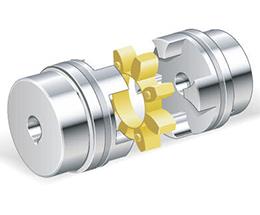
What Are the Signs of Coupling Wear in Rotating Equipment? For a procurement team, this question usually arrives at the worst possible moment: a critical pump is vibrating, the maintenance planner is asking for a replacement, and the line is losing output by the hour. The early clues are rarely dramatic. A jaw coupling may show worn spider elements, black rubber dust under the guard, or a growing gap between hubs. A gear coupling may develop backlash, grease discoloration, or a rhythmic clunk at start-up. A disc coupling may show fretted bolt holes or cracked laminations. Raydafon Technology Group Co.,Limited helps buyers move from vague symptoms to a clear inspection path, so they can distinguish normal wear from misalignment, imbalance, lubrication failure, or an incorrect coupling selection. The practical signs fall into four groups: visible damage, vibration and noise, temperature and lubricant changes, and process symptoms such as repeated trips or seal failures. None should be judged alone. A dark wear ring on a hub means little without vibration trend data; a hot coupling guard means little without checking alignment and duty cycle. For purchasing staff, the goal is to buy the right replacement parts without over-ordering, and to know when a technical service visit is more economical than another part swap. This guide explains what to look for, how to record it, and how to choose the next action with confidence.
On this page
- What Are the Signs of Coupling Wear in Rotating Equipment?
- From Guesswork to an Inspection Plan
- Vibration and Temperature Clues Buyers Should Not Ignore
- When to Replace vs. Re-Align: A Procurement Checklist
- Buyer FAQ: Wear Signs and Replacement Decisions
- Technical FAQ: Coupling Wear Diagnostics
- How Raydafon Supports Coupling Wear Decisions
What Are the Signs of Coupling Wear in Rotating Equipment?
A buyer often sees the first warning as a maintenance request with no useful detail: "coupling noisy, please quote." That is a pain point because a wrong part can add a second downtime event, while a delayed order can stretch a planned stop into an emergency. The solution is a short, repeatable walkdown that records what the coupling is doing, not just what it looks like. Check for loose guards, dust trails, rust-colored fretting, uneven hub wear, and marks that show the hub has moved on the shaft. Turn the shaft by hand where safe and feel for backlash or a step change in resistance. Listen at low speed and at operating speed, because a clunk at start-up points to a different cause than a constant whine. Photograph the coupling, record the hub markings, and note the ambient conditions. Raydafon recommends treating every observation as a clue, then confirming it with alignment, vibration, and temperature data before releasing a purchase order.
| Signal | Typical observation | Likely cause | Buyer action |
|---|---|---|---|
| Visible debris | Black rubber crumbs near a jaw spider coupling | Elastomer aging, overload, or wrong spider hardness | Confirm insert size and hardness before ordering |
| Backlash | Hub moves before load is transmitted | Spline or gear tooth wear, loose fit, or key wear | Measure backlash and inspect shaft fit |
| Noise | Rhythmic clunk at start-up or reversing load | Misalignment, worn teeth, or loose fasteners | Record sound and check alignment before replacement |
| Heat | Guard hotter than the adjacent bearing housing | Rub, misalignment, lubricant failure, or overload | Use an infrared check and verify grease condition |
| Fretting | Rust-colored dust at disc pack or bolted joints | Loose bolts, fatigue, or repeated micro-movement | Replace fasteners and discs; verify torque |
From Guesswork to an Inspection Plan
The pain point is familiar: the spare-parts room holds several similar couplings, maintenance is under time pressure, and nobody can prove which unit is actually worn. The result is often an expensive "try another part" cycle. The solution is to convert the walkdown into a small inspection plan with baseline values. Record the coupling type, bore size, keyway, outer diameter, length through bore, spider hardness or disc pack thickness, and the last alignment report. Add a simple condition score for dust, backlash, noise, and temperature. That record lets a buyer compare a new quote with the installed unit and gives maintenance a defensible replacement trigger. Raydafon uses this same discipline when helping customers cross-reference jaw spider couplings, gear couplings, and disc couplings, because a part number alone does not confirm fit, torque duty, or environmental compatibility.
| Inspection check | Useful baseline | Warning sign | Action |
|---|---|---|---|
| Visual wear | Clean, dry, even wear pattern | Debris, cracks, deep grooves, polished spots | Photograph and compare with OEM drawing |
| Backlash | Within coupling manufacturer limit | Noticeable free movement or step change | Check hub fit, key, and tooth wear |
| Elastomer condition | Flexible, correct color and hardness | Hard, cracked, swollen, or soft insert | Order correct spider compound and size |
| Alignment | Within laser alignment tolerance | Hot foot, soft foot, or repeat misalignment | Re-align before fitting a new coupling |
| Temperature | Stable and close to bearing housing | Rising trend or local hot spot | Check rub, grease, and load condition |
Vibration and Temperature Clues Buyers Should Not Ignore
A common pain scene is an intermittent trip that nobody can reproduce: the coupling looks acceptable, the bearing feels smooth, and the vibration alarm is treated as nuisance data. The solution is to compare vibration and temperature trends before and after the last coupling change. Coupling wear often appears as a gradual rise in overall vibration, a change in the ratio between running-speed and twice-running-speed components, or axial vibration that was not present at commissioning. Temperature is equally practical. A coupling guard that runs hotter after a rebuild can point to misalignment, rub, or the wrong insert. Purchasing staff do not need to become vibration analysts, but they should ask for a trend screenshot, a photo, and a time stamp. That small packet helps Raydafon and the site team avoid quoting a replacement for a problem that is really alignment, soft foot, or lubrication.
| Indicator | How to measure | Warning guidance | Confirm with |
|---|---|---|---|
| Overall vibration | Route-based reading at fixed load | Steady rise against site baseline | Spectrum and visual inspection |
| 1X and 2X components | FFT trend at running speed | Changing ratio after repair | Laser alignment and balance check |
| Axial vibration | Axial probe or bearing housing reading | New or rising axial energy | Coupling gap and shaft end play |
| Temperature rise | Infrared spot check at same load | Hot spot or upward trend | Grease condition and rub check |
| Noise pattern | Start-up, reversing, and loaded run | New clunk, chirp, or rattle | Backlash and fastener torque |
When to Replace vs. Re-Align: A Procurement Checklist
The buyer's hardest moment is not finding a part; it is deciding whether the part is the real fix. A pain scenario: maintenance requests a complete coupling assembly, but the wear pattern shows fretting from loose bolts and a hot foot that was never corrected. Replacing the coupling without fixing alignment may restore production for a short time, then repeat the failure. The solution is a decision matrix. If the coupling shows cracked discs, broken teeth, deformed spiders, or obvious hub movement, plan replacement. If the coupling is intact but hot, noisy, or vibrating after a recent installation, investigate alignment, soft foot, lubricant, and torque first. For procurement, ask for the failure photo, alignment report, and running hours. Raydafon can supply replacement jaw spider Couplings and other transmission components, but the better commercial outcome is matching the part to the root cause so the next purchase is not a repeat purchase.
| Finding | First action | Replacement trigger | Commercial note |
|---|---|---|---|
| Worn spider insert | Check hardness, fit, and misalignment | Cracks, softening, or heavy debris | Buy correct compound, not just outside diameter |
| Gear tooth wear | Measure backlash and lubricant condition | Broken teeth or excessive backlash | Confirm bore, keyway, and torque duty |
| Disc pack fretting | Check bolt torque and axial growth | Cracked or permanently deformed discs | Replace fasteners with the disc pack |
| Hot guard, intact coupling | Laser-align and check soft foot | Only after rub or heat damage is confirmed | Avoid buying a part to hide an alignment fault |
| Repeated failures | Review duty cycle, size, and installation | Wrong coupling type or undersized selection | Ask for a selection review before reordering |
Buyer FAQ: Wear Signs and Replacement Decisions
What are the first signs of coupling wear that a buyer should ask about?
Ask for four items: a photo of the coupling and guard area, a short note on noise at start-up, a backlash check, and the latest vibration or temperature trend. Early wear often shows as dust, a polished wear ring, a small change in backlash, or a new clunk. These signs are more useful than a verbal description because they help distinguish wear from misalignment, loose fasteners, or lubrication problems.
How can purchasing avoid ordering the wrong replacement coupling?
Record the coupling type, bore size, keyway, outer diameter, length through bore, spider hardness or disc pack thickness, and any hub markings. Compare the installed unit with the quotation drawing, not only with a part number. If the coupling failed early, include the running hours and alignment history. Raydafon can cross-check these details so the buyer orders a part that fits the shaft, torque duty, and site condition.
Technical FAQ: Coupling Wear Diagnostics
How do I separate coupling wear from misalignment?
Wear usually leaves physical evidence: debris, fretting, backlash, cracked inserts, or worn teeth. Misalignment often shows heat, axial vibration, a 2X running-speed component, or a hot foot pattern. The two can coexist, so inspect first, then confirm with laser alignment. If a new coupling runs hot immediately, stop and check alignment before assuming the part is defective.
Which coupling data should be kept in the maintenance record?
Keep the manufacturer, model, bore and keyway sizes, insert or disc specification, installation date, alignment report, torque values, running hours, and failure photos. Add a simple condition score for dust, noise, backlash, and temperature. This record helps buyers compare quotes, plan spares, and give Raydafon enough information to support a fast, accurate replacement decision.
How Raydafon Supports Coupling Wear Decisions
Need a faster answer? Send a photo of the worn coupling, the hub markings, and your vibration trend. Raydafon Technology Group Co.,Limited helps buyers separate a simple wear replacement from a misalignment, selection, or installation problem before they commit to the next purchase. That support reduces guesswork in the spare-parts chain and helps maintenance teams return rotating equipment to service with the right part and the right installation check.
Raydafon Technology Group Co.,Limited supplies and supports industrial transmission components for rotating equipment, including jaw spider couplings, gear couplings, disc couplings, and replacement wear parts. Buyers use Raydafon to match dimensions, hardness, torque duty, and site conditions, then keep a practical spare-parts plan that reduces repeat failures. For coupling wear questions, quotation support, or cross-reference help, contact [email protected] or visit https://www.transmissionschina.com.
Patel, T.H., & Darpe, A.K. (2008). Vibration response of misaligned rotors. Journal of Sound and Vibration, 321(3-5), 1133-1156.
Patel, T.H., & Darpe, A.K. (2009). Experimental investigations on vibration response of misaligned rotors. Mechanical Systems and Signal Processing, 23(7), 2236-2252.
Saavedra, P.N., & Ramírez, D.E. (2004). Vibration analysis of a motor-flexible coupling-rotor system subject to misalignment and unbalance, Part I: Theoretical model and analysis. Journal of Sound and Vibration, 271(3-5), 1157-1179.
Lees, A.W. (2007). Misalignment in rigidly coupled rotors. Journal of Sound and Vibration, 305(1-2), 261-271.
Jalan, A.K., & Mohanty, A.R. (2009). Model based fault diagnosis of a rotor-bearing system for misalignment and unbalance under steady-state condition. Journal of Sound and Vibration, 327(3-5), 604-622.
Chandra, N.H., & Sekhar, A.S. (2016). Fault detection in rotor bearing systems using time frequency techniques. Mechanical Systems and Signal Processing, 72-73, 105-133.
Randall, R.B., & Antoni, J. (2011). Rolling element bearing diagnostics—A tutorial. Mechanical Systems and Signal Processing, 25(2), 485-520.
Peng, Z.K., & Chu, F.L. (2004). Application of the wavelet transform in machine condition monitoring and fault diagnostics: a review with bibliography. Mechanical Systems and Signal Processing, 18(2), 199-221.
Jardine, A.K.S., Lin, D., & Banjevic, D. (2006). A review on machinery diagnostics and prognostics implementing condition-based maintenance. Mechanical Systems and Signal Processing, 20(7), 1483-1510.
Worden, K., & Manson, G. (2007). The application of machine learning to structural health monitoring. Philosophical Transactions of the Royal Society A, 365(1851), 515-537.
Next:
-
Related News
- What safety precautions should you follow when using a PTO shaft?
- How Do Screw Jacks Work in Lifting and Positioning Applications?
- What causes pump cavitation and how can it be prevented?
- How do I know what size sprocket I need for my chain?
- Can nylon gear couplings handle misalignment?
- Can a gear coupling be used in high-speed applications?
Leave me a message


News Recommendations