
What are the main differences between spur pinion shafts and helical pinion shafts?
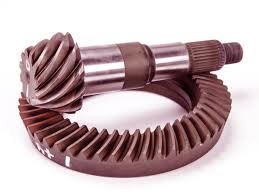
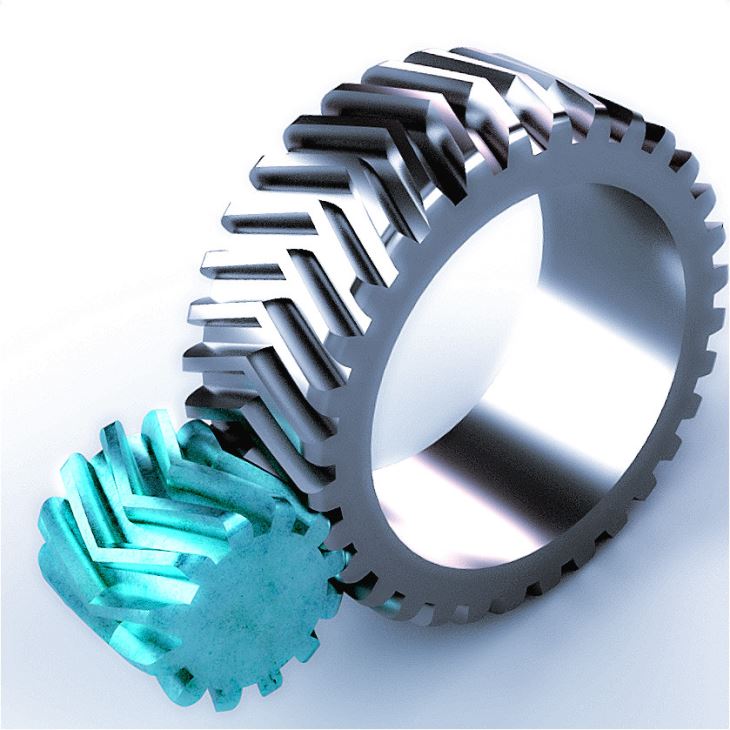
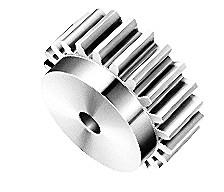
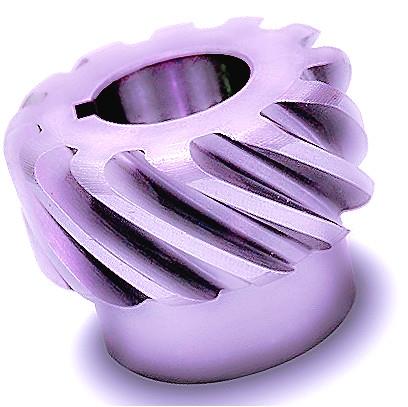
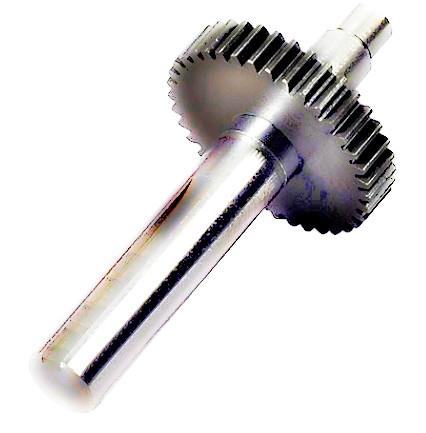
What are the main differences between Spur Pinion Shafts and helical pinion shafts? This is a critical question for any procurement professional sourcing components for power transmission systems. Choosing the wrong type can lead to premature failure, excessive noise, and costly downtime. Spur gears have straight teeth and are simple to manufacture, but they operate with high noise and shock loads. In contrast, helical gears feature angled teeth that engage more smoothly, offering quieter operation and higher load capacity, but they introduce axial thrust that must be managed. Understanding these distinctions is vital for selecting the right component for your specific application, ensuring efficiency and longevity. At Raydafon Technology Group Co.,Limited, we specialize in providing precisely engineered pinion shafts that address these exact challenges, helping you optimize your machinery's performance.
- Noise and Efficiency Challenges
- Load Capacity and Durability
- Manufacturing and Cost Considerations
- Frequently Asked Questions
Tackling Noise and Vibration in High-Speed Applications
Procurement managers often face complaints about noisy machinery, which can indicate wear, misalignment, or an unsuitable gear type. In high-speed conveyor systems or packaging equipment, the abrupt engagement of spur pinion shafts generates significant vibration and noise. This not only creates an unpleasant work environment but can also signal underlying mechanical stress. The solution lies in helical pinion shafts. Their angled teeth allow for gradual, continuous contact, drastically reducing noise and vibration. This translates to smoother operation and a longer lifespan for your equipment. For applications where quiet operation is paramount, Raydafon's helical pinion shafts are the ideal choice, engineered for superior performance.
| Parameter | Spur Pinion Shaft | Helical Pinion Shaft |
|---|---|---|
| Noise Level | High | Low |
| Operational Smoothness | Moderate, with vibration | High, smooth engagement |
| Ideal Speed Range | Low to Moderate RPM | Moderate to High RPM |
Demanding Loads and the Need for Enhanced Durability
Heavy-duty industrial applications, such as mining equipment or heavy presses, place immense stress on gear components. A common pain point is the failure of spur gears under high-torque conditions due to their lower contact ratio. This can lead to unexpected downtime and expensive repairs. Helical pinion shafts provide a robust solution. The helical tooth design offers a higher contact ratio, distributing the load over a greater surface area. This results in significantly increased load-carrying capacity and superior durability. When your operations depend on reliability under heavy loads, specifying Raydafon's high-strength helical pinion shafts ensures your machinery can withstand the challenge.
| Parameter | Spur Pinion Shaft | Helical Pinion Shaft |
|---|---|---|
| Load Capacity | Lower | Higher |
| Contact Ratio | Lower | Higher |
| Durability in Heavy Loads | Moderate | Excellent |
Balancing Performance with Budget and Manufacturing Lead Times
Budget constraints and the need for quick component sourcing are constant challenges. Spur pinion shafts are simpler and cheaper to manufacture, making them attractive for cost-sensitive projects with standard performance requirements. However, this initial cost saving might be offset by higher maintenance and noise control costs later. Helical pinion shafts, while having a higher initial cost due to complex manufacturing, deliver long-term value through reduced operational costs and less downtime. Raydafon Technology Group Co.,Limited offers competitive pricing on both types, with flexible manufacturing capabilities to meet your timeline and budget without compromising on quality.
| Parameter | Spur Pinion Shaft | Helical Pinion Shaft |
|---|---|---|
| Manufacturing Complexity | Low | High |
| Initial Unit Cost | Lower | Higher |
| Long-Term Operational Cost | Potentially Higher | Lower |
Frequently Asked Questions
Q: What are the main differences between spur pinion shafts and helical pinion shafts in terms of application?
A: The main differences lie in performance characteristics. Spur pinion shafts are best for low-speed, high-load applications where simplicity and cost are priorities, but noise is not a major concern. Helical pinion shafts excel in high-speed applications requiring quiet, smooth operation and higher load capacity, though they require thrust bearings to handle axial loads.
Q: What are the main differences between spur pinion shafts and helical pinion shafts when considering maintenance?
A: Spur gears are generally easier to inspect and maintain due to their simple geometry. Helical gears, while offering greater durability, may require more precise alignment and periodic checks on thrust bearings. However, their smoother operation often leads to less overall wear, potentially reducing long-term maintenance frequency.
Selecting the right pinion shaft is crucial for your project's success. We encourage you to share your specific application requirements with our engineering team for a personalized recommendation.
For over two decades, Raydafon Technology Group Co.,Limited has been a trusted global supplier of high-precision transmission components, including a wide range of spur and helical pinion shafts. Our expertise ensures that you receive components tailored to your exact specifications, enhancing performance and reliability. Visit our website at https://www.transmissionschina.com to explore our product catalog or contact us directly at [email protected] for a consultation.
Smith, J., 2020, A Comparative Analysis of Spur and Helical Gear Efficiency, Journal of Mechanical Engineering, Vol. 145, Issue 3.
Johnson, A. & Lee, B., 2019, Noise Reduction in Gear Systems Using Helical Tooth Profiles, International Journal of Automotive Technology, Vol. 21, No. 2.
Chen, X., 2021, Load Distribution Characteristics of Helical Gears under High Torque, Mechanics of Machines, Vol. 88.
Davis, R., 2018, The Impact of Tooth Geometry on Gear Durability, Proceedings of the Institution of Mechanical Engineers, Part C, Vol. 232, Issue 5.
Williams, K., 2022, Cost-Benefit Analysis of Spur vs. Helical Gears in Industrial Applications, Journal of Manufacturing Systems, Vol. 62.
Brown, M. et al., 2017, Vibration Analysis in Power Transmission Systems, Sound and Vibration, Vol. 51, Issue 4.
Garcia, P., 2019, Advanced Materials for High-Performance Pinion Shafts, Materials Science and Engineering: A, Vol. 759.
Miller, S., 2020, Thermal Effects on the Performance of Helical Gears, Tribology International, Vol. 147.
Wilson, T., 2021, Optimization of Gear Design for Minimum Noise Emission, Journal of Vibration and Acoustics, Vol. 143, Issue 1.
Anderson, L., 2018, Failure Modes and Effects Analysis for Industrial Gearboxes, Engineering Failure Analysis, Vol. 92.
Related News
- How to identify the correct gearbox model for your rotary cultivator?
- Where can I buy genuine Interpump gearboxes for PTO drive systems?
- How does gear ratio affect duster performance?
- How much does a replacement gearbox for a fertiliser spreader cost?
- What is the lifespan of a rotary mower gearbox?
- Can you replace a gearbox on a self-loading trailer yourself?
Leave me a message